
CV Tips for Teens: A Step-by-Step Guide to Your First CV
Creating a CV as a teenager might feel like a daunting task, especially if you have little to no work experience. However, it is an essential skill that can open doors to Saturday jobs, internships, and volunteer opportunities. A well-crafted CV serves as your introduction to potential employers and can significantly impact your chances of landing a position. Whether you are applying for your first job, a summer internship, or a volunteer role, knowing how to effectively present your skills and experiences is crucial. In this guide, we will walk you through what a secondary school CV should look like and provide tips and examples to help you create your own, ensuring you put your best foot forward in the professional world.
Summary
This guide shows students how to build a clear, concise CV by covering essential sections (contact information, personal statement, education, work and volunteer experience, skills, and interests). It offers step-by-step instructions on brainstorming, choosing a format, tailoring statements, and highlighting achievements, plus a sample CV. Practical tips—like using action verbs, keeping the layout simple, proofreading, and being honest—help teens stand out for jobs, internships, and volunteer roles.
A school leaver CV should be clear, concise, and structured. It should highlight your skills, achievements, and any relevant experiences. The layout should be easy to follow, allowing potential employers to quickly grasp who you are and what you bring to the table. Here is a basic outline of what your CV should include:
Contact Information
- Name: Your full name should be at the top of your CV, as it is the first thing employers will see.
- Phone Number: Make sure it is a number you check regularly; this is crucial for employers to reach you for potential interviews.
- Email Address: Use a professional email address, ideally with your name. Avoid using emails that might seem unprofessional, such as those with nicknames or slang.
- Location: You do not need to include your full address—just your town and county is sufficient for employers to understand your general geographical location.
Personal Statement (Objective)
An objective or personal statement is a brief paragraph that explains who you are and what you are looking for. This section is your opportunity to make a strong first impression by clearly stating your goals and what you hope to achieve in the role you are applying for. For example:
“Motivated student seeking a part-time retail assistant position to leverage strong communication skills and customer service experience.” This statement should be tailored for each application to reflect the specific role and company you are interested in.
Education
List your current school, your expected graduation date, and any relevant qualifications or achievements. This section is particularly important for students, as it highlights your academic background and any honours or activities that demonstrate your commitment and abilities. For example:
- School Name, Town, County
- GCSEs/A-Levels: Expected Month, Year
- Relevant Subjects: GCSE English, ICT, or Business Studies
- Achievements: Prefect, Duke of Edinburgh Award, Student Council Member
Work Experience
If you have work experience, list it here. Include the job title, company name, location, and dates of employment. Describe your responsibilities and any achievements to give a clear picture of your contributions. For example:
- Shop Assistant, Local Newsagents, Town, County
- June 2022 - Present
- Assisted customers with purchases and answered enquiries
- Managed the till and handled cash transactions
Volunteer Experience
If you do not have formal work experience, volunteer work is a great way to showcase your skills and commitment. Format it like your work experience section. Volunteer roles can often demonstrate valuable skills like leadership, teamwork, and time management. For example:
- Volunteer, Charity Shop, Town, County
- September 2021 - Present
- Cared for displays and assisted with fundraising events
- Organised community outreach programmes
Skills
List any relevant skills that make you a strong candidate. Consider both hard skills (e.g., Microsoft Office, coding) and soft skills (e.g., teamwork, problem-solving). Tailoring this section to the job description can make your application stand out, as employers often look for specific skills.
Hobbies and Interests
Including hobbies and interests can give employers a sense of your personality and how you might fit into their team. Keep it relevant and brief, focusing on interests that showcase attributes like creativity, dedication, or a willingness to learn.
How to Write a CV for a Student
 ### Step 1: Brainstorm Your Experiences
Before you start writing, list all of your experiences, including part-time jobs, volunteer work, internships, and extracurricular activities. Think about the skills you used in each experience and how they relate to the job you are applying for. This brainstorming session will help you identify the most relevant experiences to include in your CV.
Step 2: Choose a CV Format
The most common CV format for students is the chronological format, which lists experiences in reverse chronological order. However, if you have very little experience, consider a skills-based CV that focuses on abilities rather than chronological work history. A combination format can also be effective, allowing you to highlight both skills and relevant experience.
Step 3: Write a Strong Personal Statement
This section should be a brief statement that captures who you are and what you are seeking. Tailor it to each job application, ensuring it aligns with the company’s values and the role’s requirements. A well-crafted statement can grab the employer’s attention and set a positive tone for the rest of your CV.
Step 4: Highlight Your Education
Since you are a student, your education section is important. List your school, expected exam dates/results, and any relevant achievements. Include any advanced courses or special projects that may relate to the job, as these demonstrate your ability to take on challenges and succeed.
Step 5: Include Experiences and Activities
Detail your work and volunteer experiences, extracurricular activities, and any leadership roles. Use action verbs to describe your responsibilities and achievements, as this provides a dynamic and engaging account of your capabilities. Prioritise experiences that are most relevant to the job, and be specific about your contributions.
Step 6: Showcase Your Skills
Include a skills section that highlights relevant abilities. Use bullet points for clarity, and make sure to include a mix of hard and soft skills. This section should mirror the skills required in the job description, making it easier for employers to see how well you fit the role.
Step 7: Add Optional Sections
Consider adding sections for hobbies, interests, or awards if they are relevant to the position. These sections can provide a fuller picture of who you are and what you bring to an organisation, showing that you are a well-rounded candidate.
Tips for Building a CV as a Student
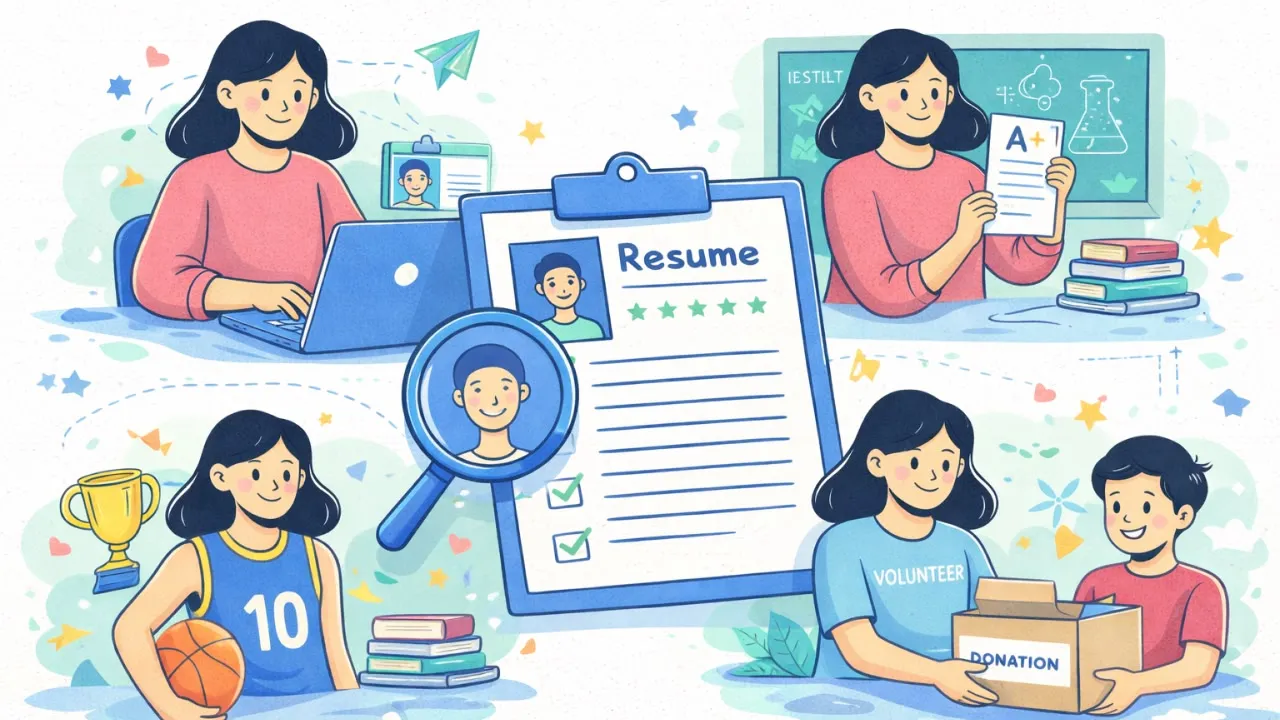 Tailor Your CV: Customise your CV for each job application by highlighting the most relevant experiences and skills. This personalisation can make your application stand out in a sea of candidates.
- Use Action Verbs: Start each bullet point with a strong action verb to convey your responsibilities and achievements. This approach creates a more dynamic narrative.
- Keep It Simple: Stick to a clean, professional layout. Use fonts like Arial or Calibri and keep the font size between 10 and 12 points. Simplicity ensures that your CV is easy to read and looks polished.
- Proofread: Ensure there are no spelling or grammatical errors. Consider asking a teacher or mentor to review your CV. A fresh pair of eyes can catch mistakes you might have missed.
- Be Honest: Never exaggerate or lie about your experiences or skills. Integrity is important to potential employers, and honesty will build a foundation of trust.
Conclusion
Crafting a CV as a teenager is your first step towards the professional world. By understanding how to write a CV for a student, you can effectively present yourself to potential employers. Remember, a well-crafted CV can set you apart and make a lasting impression. With these tips and examples, you are well on your way to creating a CV that showcases your potential and opens doors to new opportunities. Embrace this process as a learning experience, and use it as a stepping stone to your future career aspirations.