
The Ideal CV Length: Should Your CV Be One or Two Pages?

Let’s address the elephant in the room: you’ve probably been told your CV must be one page. Maybe you’ve spent hours trying to shrink your font, squeeze your margins, or cut important achievements just to meet this arbitrary rule. Here is the truth: your CV does not need to be short just to be impressive. When people ask, “how many pages should a CV be,” a better question is whether the length shows your value clearly.
If yours naturally extends to two pages, that is completely fine.
The goal isn’t to hit a specific page count or obsess over length. It is to communicate your value clearly and concisely, whether that takes one page or two.
Summary
There is no strict rule for CV length. You can use one or two pages, depending on how well you can show your important information. A one-page CV is best for those just starting their careers. A two-page CV is better for people with more experience, like mid-level, senior, technical, or leadership jobs.
Prioritise readability, quantified accomplishments, and tailored content; cut anything outdated or generic.
Industry standards can be different, but being clear and impactful is key. If your document is 1.5 pages long, make it a full two pages with useful content.
Stop Obsessing Over Page Count
The one-page CV rule has become something of a myth in job searching. While brevity is valuable, readability and relevance matter more.
Hiring managers prefer two clear pages instead of one small, crowded page. It is easier for them to find important details this way.
In other words, worry less about CV length and more about what it conveys.
Think about what you want to do with your CV. You want people to easily see your skills and why you are right for the job. Sometimes, this can fit on one page. Other times, you might need more space. Both options are okay.
When One Page Is Plenty
A one-page CV is great for many workers. You don’t need to make it longer just to fill the space.
One page is typically ideal if you:
- Have less than 10 years of professional experience
- Are a recent graduate or early in your career
- Are making a career change and want to focus on transferable skills
- Work in a field that values conciseness and direct communication
If you’re a high school student building your first resume, check out our comprehensive guide to resume tips for teens for specific advice on what to include when you have limited work experience
The beauty of a one-page CV is its simplicity. You need to identify your most significant achievements and main skills.
There is no room for fluff or outdated information. Every word counts.
When Two Pages Makes Perfect Sense
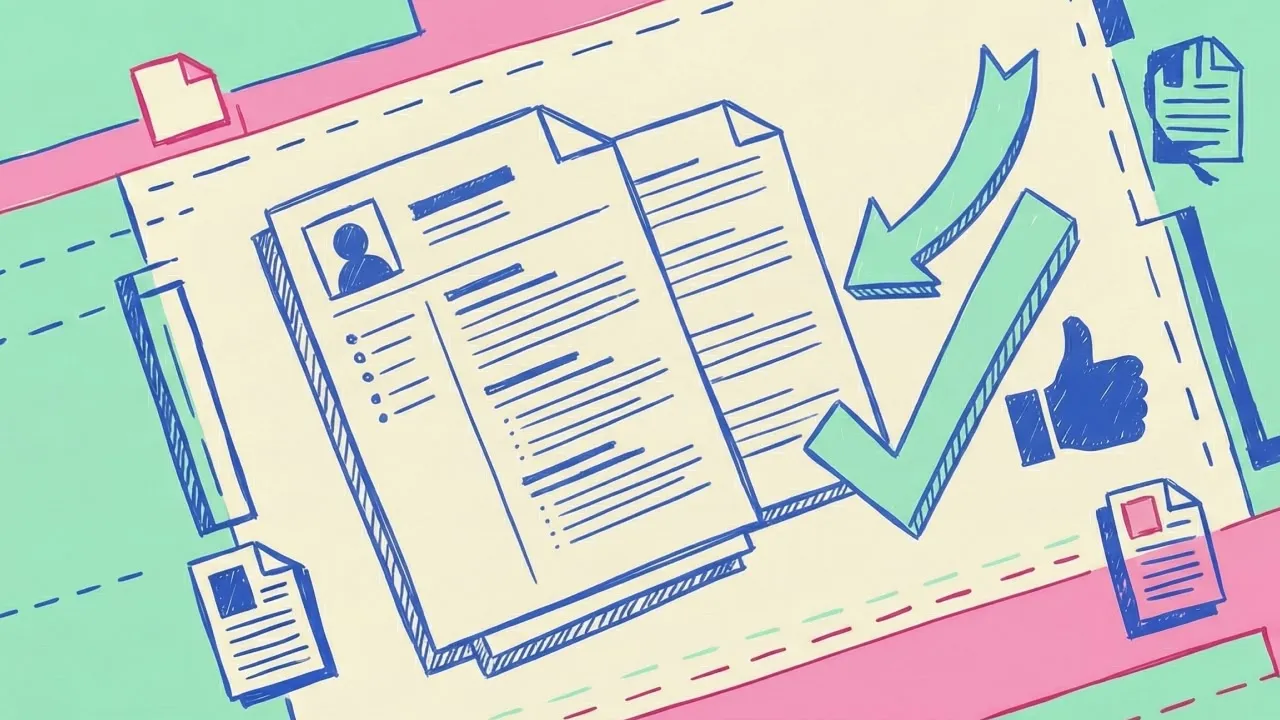 Here is where many job seekers get stuck: they have legitimate, relevant experience that doesn’t comfortably fit on one page, but they have been told they must keep it to one page no matter what. This is bad advice.
If you are trying to cram 15 years of experience, multiple leadership roles, technical certifications, and significant achievements onto one page, you are doing yourself a disservice. Using a two-page format is not just acceptable, it is often the smarter choice.
Two pages work well for:
- Mid-career and senior professionals with substantial experience
- Technical roles requiring detailed project descriptions or certifications
- Leadership positions where you need to demonstrate progressive responsibility
- Career paths with diverse, relevant experiences across multiple roles
The key word here is relevant. Your CV can be two pages, but both pages should contain information that strengthens your candidacy. If you are padding content just to fill space, scale back.
What Actually Matters to Hiring Managers
Recruiters and hiring managers care about finding the right candidate, not counting pages. They want to see:
- Relevant experience that matches the job requirements
- Clear accomplishments with specific results and metrics
- Easy-to-scan formatting that helps them find key information quickly
- Recent, applicable skills that show you can do the job
Notice that “fits on exactly one page” isn’t on that list. A hiring manager will happily read two pages of compelling, relevant content. They won’t be impressed by one page of cramped, difficult-to-read text just because you followed an outdated rule.
Quality Beats Quantity Every Time
Whether your CV ends up being one page or two, focus on making every line count. Remove outdated experiences that do not add value. Cut the secondary school activities if you are years into your career. Remove general job tasks and add specific achievements instead.
Ask yourself about each item on your CV: Does this help me get this job? If the answer is no, cut it. If the answer is yes, keep it, even if it pushes you to a second page.
Use strong action words. List your achievements with numbers when you can. Make sure to adjust your content for each job. A focused, relevant two-page CV will always outperform a generic, bloated one-page version.
Formatting Matters More Than Length
Good formatting can make the difference between a CV that gets read and one that gets tossed. Use clear section headers, consistent spacing, and readable fonts (11-12 point is ideal). Leave adequate white space so the page doesn’t feel overwhelming.
If you are at one and a half pages and struggling to decide whether to cut content or expand to two pages, go with two. A clean, easy-to-read two-page CV beats a cluttered page and a half every time. Just make sure that second page has substantial content, not just a few orphaned lines. If applying internationally, be mindful of document size differences (A4 is standard in the UK) so your layout remains consistent when printed or exported.
Industry Considerations
 Some industries lean toward brevity, while others expect more detail. Creative fields often favour concise, visually interesting CVs. Technical and academic fields typically require more comprehensive documentation of skills, projects, and publications. Research what is standard in your industry, but don’t treat it as an unbreakable law. In research or academic areas, CVs can be much longer. It is important to follow local standards.
The Bottom Line
Your CV should be as long as it needs to be to tell your professional story effectively. For many people, that is one page. For many others, it is two. Both are fine.
Don’t try to make a short CV longer just to fill two pages. Don’t lose readability or key achievements to fit everything on one page. Focus on what is relevant and clear. The right length for your CV will come naturally.
Remember: hiring managers spend seconds scanning your CV initially. Make those seconds count by presenting your qualifications clearly and professionally, whether that takes one page or two. The content and how it’s presented matter far more than the page count.