
How Many References Should You Have on a Resume? (The Science of Social Proof)

When deciding how many references you should have on a resume, imagine your resume is a pristine, high-end storefront window. You have limited space to display your best merchandise - your skills, your metrics, and your career trajectory. Every item in that window needs to earn its rent.
Now, imagine sticking a cardboard sign in the corner that says: “I know people who will vouch for me.”
It doesn’t add value; it creates clutter.
In the psychology of information processing, this is known as Cognitive Load. When a recruiter scans your resume, their brain is aggressively filtering for “signal” (relevant skills, quantifiable wins) and ignoring “noise” (clichés, fluff, and logistical details). Including references - or the dreaded phrase “References available upon request” - increases the noise, diluting the power of your signal.
But if you take them off, do you look unprepared? And when the time finally comes to provide them, is more better? Or does a long list of names look desperate?
We analyzed the seminal research on personnel selection and social psychology to answer the question: How many references do you actually need, and where do they belong?
The Short Answer: The “Zero” Rule
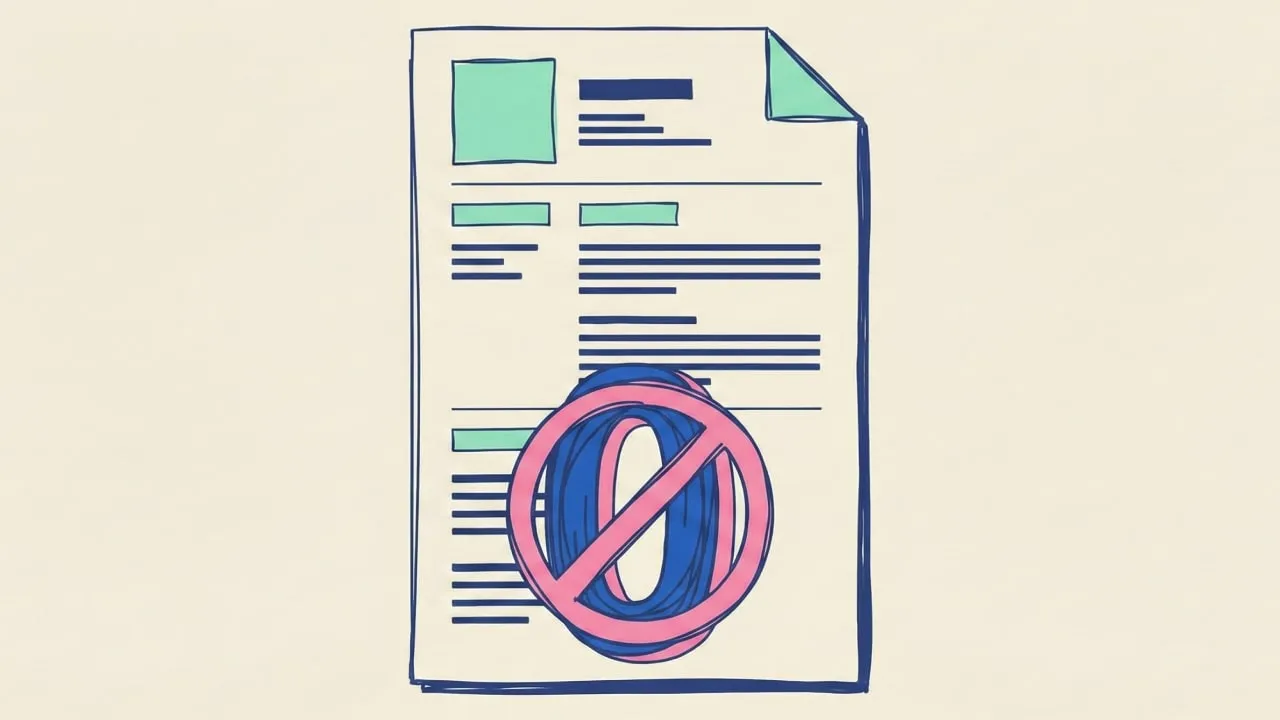 To cut through the ambiguity immediately: You should have zero references listed on your resume.
Unless you are applying for a federal government position or an academic role requiring a Curriculum Vitae (CV) - which operates under completely different rules - references have no place on the primary document.
Your resume is a marketing brochure designed to secure an interview. References are a due diligence document designed to secure an offer. Mixing the two is a fundamental misunderstanding of the hiring lifecycle.
But to understand why this rule exists, we have to look at the data. Why are references, which seem so important, actually the weakest link in your application?
The Data: Why References Are Statistically Weak
 If you feel like reference checks are a formality, you aren’t wrong. Science agrees with you.
In 1998, researchers Frank Schmidt and John Hunter published a landmark meta-analysis in the Psychological Bulletin. They examined 85 years of research in personnel selection to determine which hiring methods actually predicted future job performance.
They assigned a “validity coefficient” to various methods, ranging from 0 (useless) to 1.0 (perfect prediction).
Work Sample Tests: 0.54 (Highly predictive)
Structured Interviews: 0.51
General Mental Ability Tests: 0.51
Reference Checks: 0.26
A score of 0.26 is surprisingly low. It means that speaking to your former boss tells a recruiter very little about how you will actually perform in the new role.
The Problem of “Leniency Bias”
The reason for this low score is a psychological phenomenon called Leniency Bias.
Because you, the candidate, curate the list, you are naturally going to select people who like you. You filter out the critics. As a result, reference checks suffer from “range restriction.” If every candidate’s references say they are “amazing,” the recruiter has no variance in data to compare Candidate A against Candidate B.
When everyone is special, no one is.
The Paradox: Why Do Companies Still Ask?
 If the scientific validity is so low, why do 92% of employers still conduct background checks and references (according to the Society for Human Resource Management)?
The answer isn’t about performance prediction; it is about Risk Mitigation and Social Proof.
The Psychology of Social Proof
Robert Cialdini, the regents’ professor emeritus of psychology and marketing at Arizona State University, coined the term Social Proof. It dictates that when people are uncertain (e.g., “Should I hire this stranger?”), they look to others to guide their behavior.
Hiring managers are risk-averse. They are terrified of making a “bad hire” that costs the company money and damages their own reputation.
They don’t read references to find out if you are good at Excel. They call references to:
Verify you aren’t a pathological liar (Risk Mitigation).
Have a third party confirm their own “gut feeling” (Social Proof).
This informs the timing of your references. Since Social Proof is a confirmation mechanism, it is only useful after the hiring manager has already formed a positive opinion of you. Presenting references on your resume (before they know you) is like a lawyer calling a witness before making an opening statement. It’s the right data at the wrong time.
The Magic Number: 3 to 5 (The Rule of Patterns)
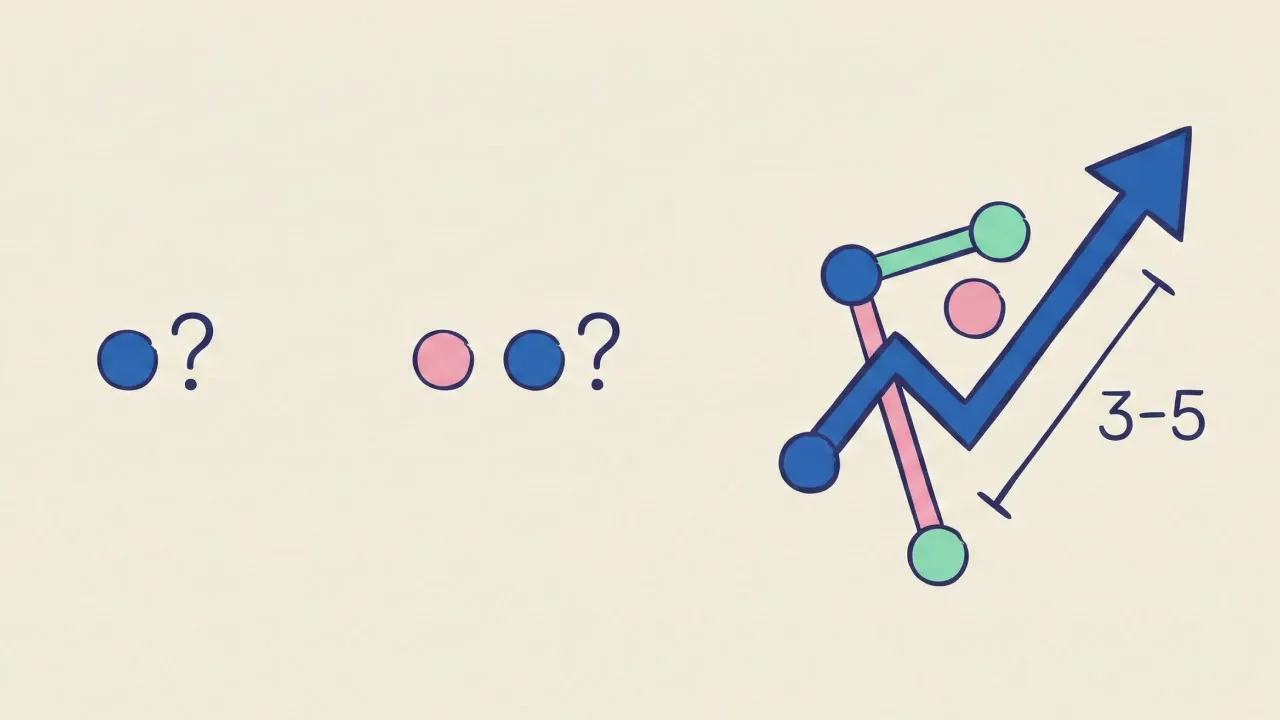 When the recruiter finally says, “We’d like to move to the final stage. Can you send over your references?”, you need a separate, polished document ready to go.
How many names should be on it?
The optimal number is 3.
Why Three?
In data science and human pattern recognition, three is the minimum number of points required to establish a trend line.
One reference is an anecdote.
Two references is a coincidence.
Three references is a pattern.
If one person says you are a “strategic thinker,” that’s nice. If three people from different contexts (a boss, a peer, a client) all independently use the word “strategic,” the recruiter accepts this as a fixed personality trait rather than a situational fluke.
The Scalability of References
While 3 is the standard, the number shifts slightly depending on your seniority level:
Entry-Level / Junior: 3 References. (Usually 2 former managers/supervisors and 1 professor or internship mentor).
Mid-Senior Level: 3 References. (2 former managers, 1 peer or cross-functional partner).
Executive / C-Suite: 5 References. At the executive level, the risk of a bad hire involves millions of dollars in strategy. The “Social Proof” requirement is higher. You need a “360-degree” view:
One person you reported to (Board member/CEO).
One peer (fellow executive).
One person who reported to you (to verify leadership style).
Two strategic partners or external clients.
The “Similarity Principle”: Choosing the Right People
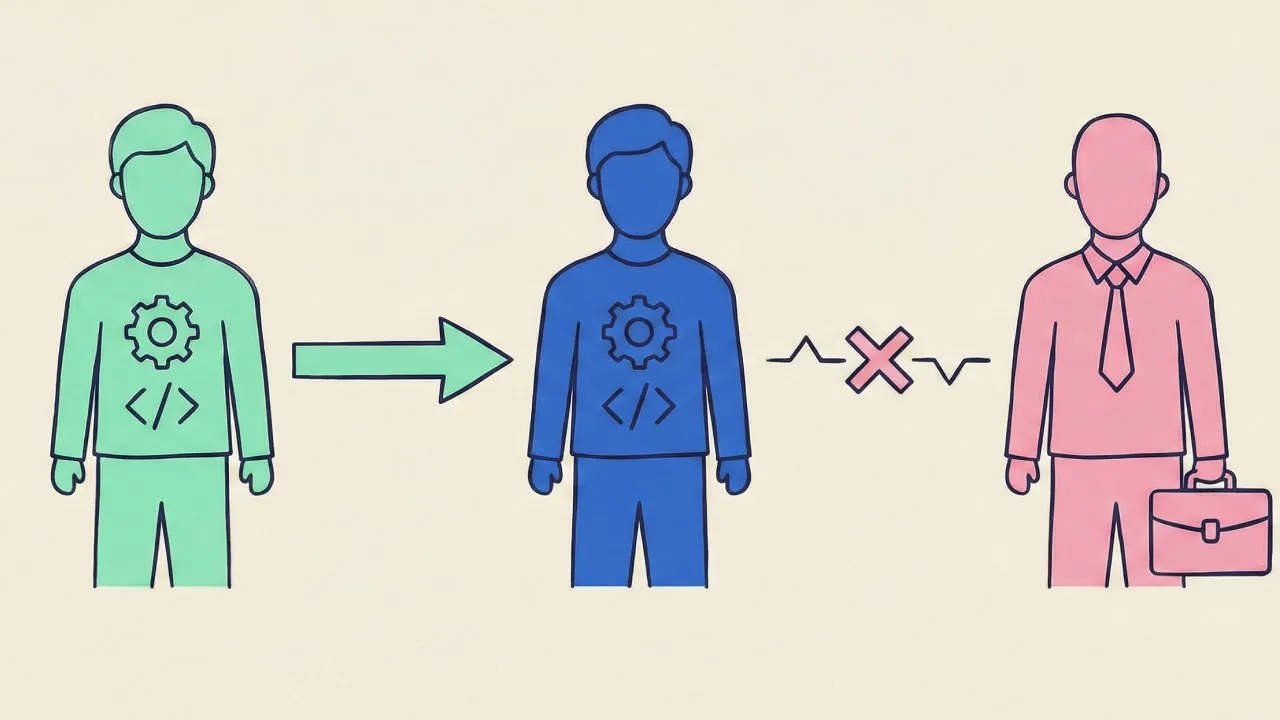 Recruiters don’t just weigh what is said; they weigh who is saying it.
Cialdini’s research on influence also highlights the Similarity Principle: We are more influenced by people who are similar to us or similar to the environment we are entering.
Many candidates make the mistake of chasing “Status” over “Relevance.” They list the CEO of their former company, even though the CEO only spoke to them once at the holiday party.
The “Relevant” Reference > The “Status” Reference.
If you are applying for a Senior DevOps Engineer role, a reference from your former Lead Architect (who can speak technically about your code quality) is infinitely more valuable than a reference from a generic HR Director. The hiring manager for the DevOps role wants to hear from someone who speaks their language.
Who to Avoid (The Red Flags)
Family Members: This is an immediate disqualification. It screams a lack of professional network.
“Character” References: Unless you are a teenager with zero work history, avoid personal friends, pastors, or neighbors. Employers want to know about your work ethic, not your general ethics.
The “Lukewarm” Manager: Never list someone unless you have explicitly asked them, “Do you feel comfortable providing a positive reference for me?” If they hesitate, thank them and move on. A hesitant reference is viewed as a negative reference.
The “Backdoor Reference” (The Danger Zone)
 In 2025, the list you provide is not the only list the recruiter has.
We live in the era of the “Backdoor Reference.”
Before a recruiter even asks for your official list, they are likely looking at your LinkedIn profile and checking for “Mutual Connections.” If they see that they know someone who worked at your company at the same time you did, they might reach out unofficially.
“Hey Sarah, I see you worked with John Doe at TechCorp in 2022. We’re thinking of hiring him. Thoughts?”
This is why burning bridges is fatal. You cannot curate a Backdoor Reference. The only defense against this is maintaining a high standard of professional integrity throughout your career. However, you can mitigate this by ensuring your official references are so strong and well-prepared that they outweigh any casual, unstructured feedback from a random mutual connection.
How to Format Your Reference Sheet
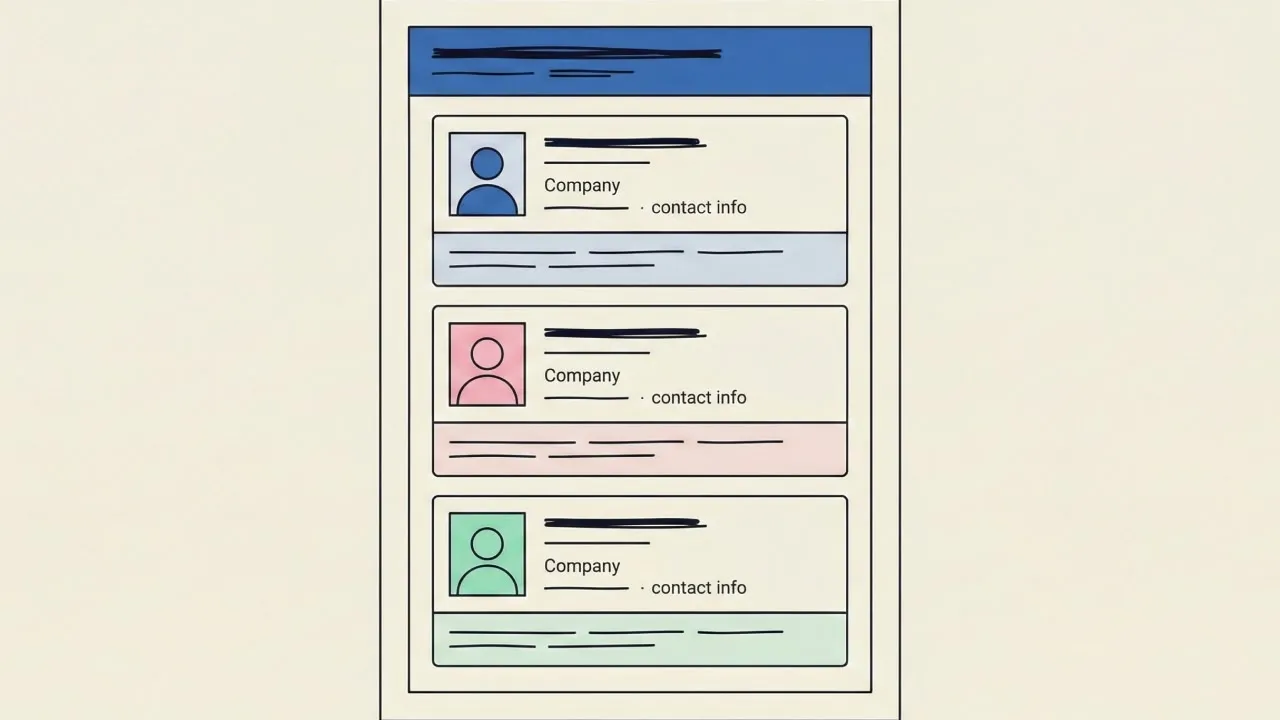 When you send your references, do not paste them into the body of an email. That looks casual and disorganized.
Create a dedicated PDF that matches the header, font, and aesthetic of your resume. This subtle branding signals attention to detail.
The Anatomy of a Perfect Reference Entry:
[Reference Name] Current Title, Company Relationship: Former Manager at [Company Name] (2020 - 2023) Phone: [Number] Email: [Professional Email] Context: [One sentence explaining what they can verify]
The Secret Weapon: The “Context” Line
Most candidates stop at the contact info. You can gain a psychological edge by adding a “Context” line.
- Example: “Managed me during the $2M cloud migration project; can speak to my ability to handle crisis management and cross-functional team leadership.”
This utilizes a psychological concept called Priming. By telling the recruiter what this person is going to say before they call, you frame the conversation. You are guiding the recruiter to ask about your strengths (cloud migration) rather than your weaknesses.
The “Pre-Game” Ritual: Coaching Your Squad
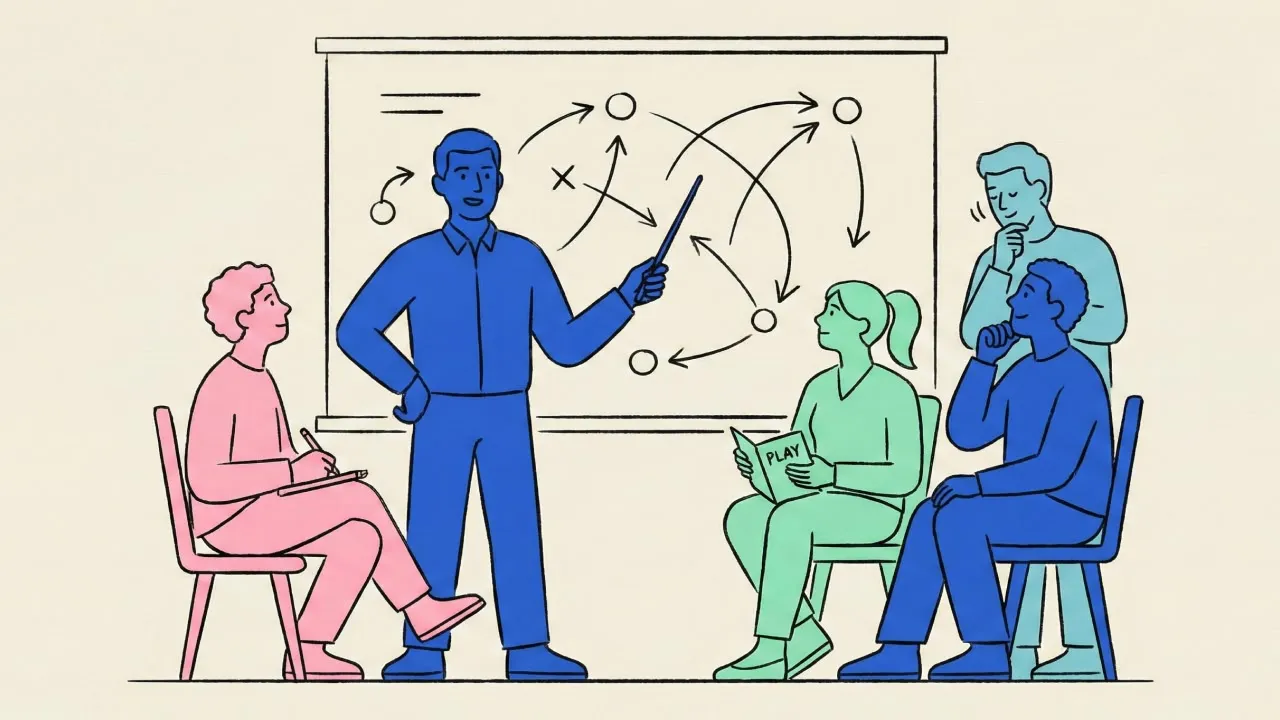 The most common point of failure in reference checks isn’t malice; it’s amnesia.
Your former boss is busy. If a recruiter calls them out of the blue, they might struggle to recall specific metrics or project titles from three years ago. That hesitation (“Uhh, let me think…”) sounds like doubt to a recruiter.
You must “Pre-Game” your references.
The Strategy: 24 hours before you submit your reference sheet, contact every single one of them and let them know:
The Role: Tell them exactly what job you are applying for.
The Angle: Tell them what the new company cares about. “They are really focused on my Python skills and my experience leading remote teams.”
The Cheat Sheet: Remind them of a specific win you shared. “You might remember that Q3 project where we automated the reporting system - that would be a great thing to mention.”
This isn’t cheating; it’s professional courtesy. You are making it easy for them to make you look good.
Conclusion: Value Your Real Estate
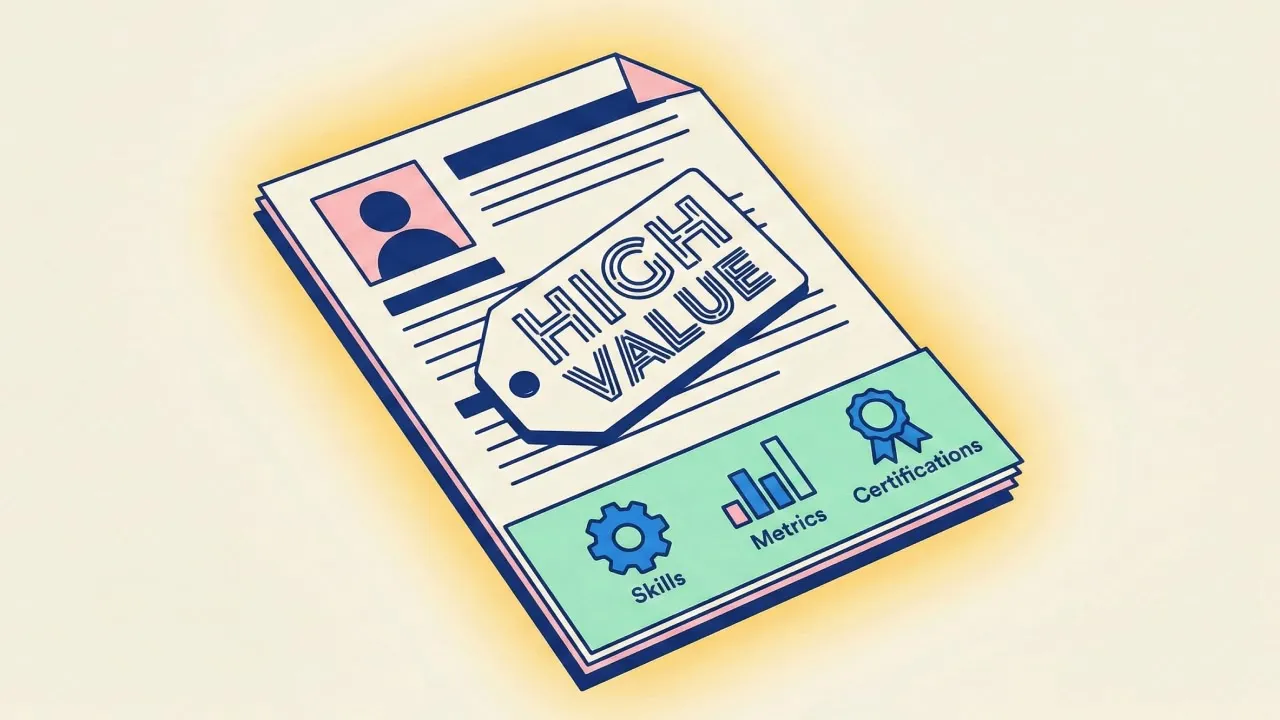 Your resume has a singular purpose: to sell your future potential based on your past performance. Every line of text uses up the recruiter’s limited attention span.
By removing the “References available upon request” line, you reclaim space for a certification, a metric, or a skill that actually moves the needle.
The Protocol:
Delete references from your resume immediately.
Identify your “Golden Three” (Manager, Peer, External).
Create a separate, branded PDF.
Prime your references with a “Pre-Game” message.
You don’t need to prove you have people who like you - not yet. Prove you can do the job first. The social proof will follow.
FAQ
Should I include "References available upon request" on my resume?
No. This phrase is outdated and unnecessary. Recruiters already know that references are available if they want them. Including this line wastes valuable space on your resume that could be used for skills or achievements. It adds "cognitive load" without adding value.
Are there any exceptions where I should put references on a resume?
Yes, there are two specific exceptions:
Academic CVs: If you are applying for a role in academia, medicine, or research using a Curriculum Vitae (CV), it is standard to list your advisors or principal investigators.
Federal Government: Some government applications (specifically USAJOBS) require references upfront. Always follow the specific instructions in the job posting.
What if I left my last job on bad terms?
Do not list a manager who you know will give a negative review. Instead, try to find a "Skip-Level" manager (your boss’s boss) or a senior peer from that same company who can vouch for your contributions. If that isn't possible, rely more heavily on references from previous jobs where the relationship is stronger.
Do I need to include the physical address of my references?
No. In the digital age, a physical mailing address is unnecessary and creates a privacy risk for your contacts. A phone number, email address, and LinkedIn URL are sufficient.